- The Learning Lab
- Posts
- The harsh truth about the Second Brain (PKM)

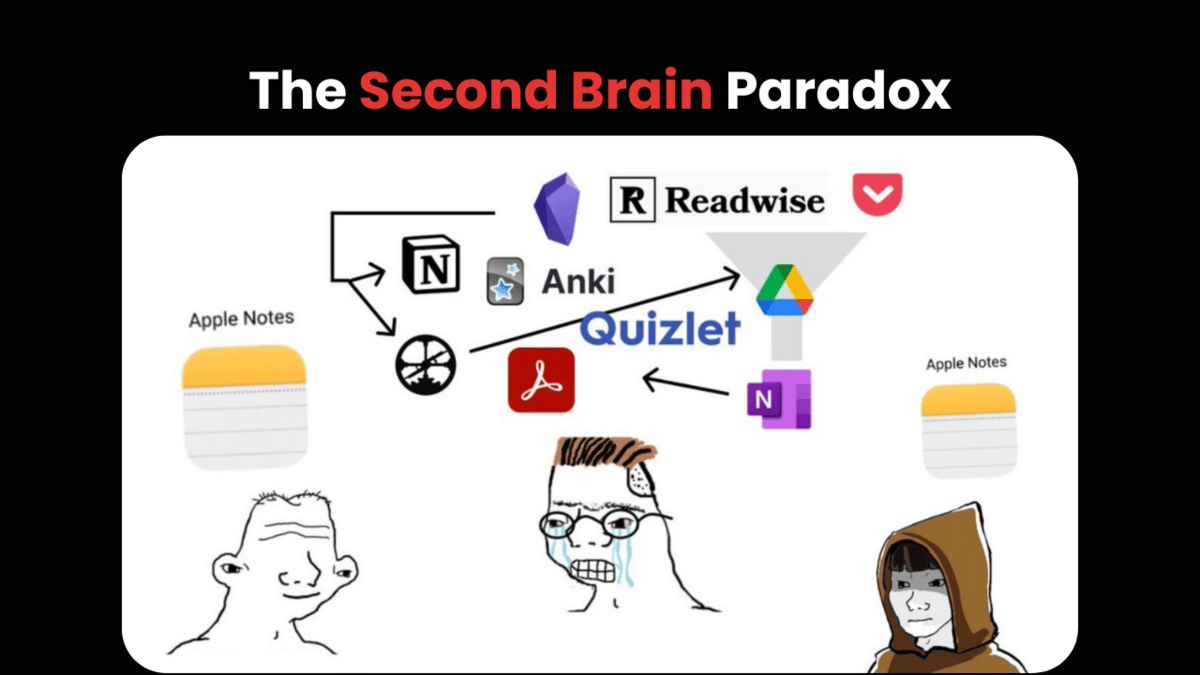
With about 1,570,000,000 search results in 0.78 seconds, the Second Brain is taking over the productivity space.
The Second Brain is a system designed to capture and organize information, also known as:
personal knowledge management system (PKM).
I won’t address Tiago Forte’s Second Brain methodology, but rather PKM in general.
This newsletter has 3 parts:
The basics of PKM
My problem with the PKM
The future of PKM
The basics of PKM
The PKM is an extension of your brain.
If your brain is a house. Your knowledge is your stuffs.
Then PKM is renting a warehouse.
The popular “warehouses” are Evernote, Notion, Readwise, Roam Research…
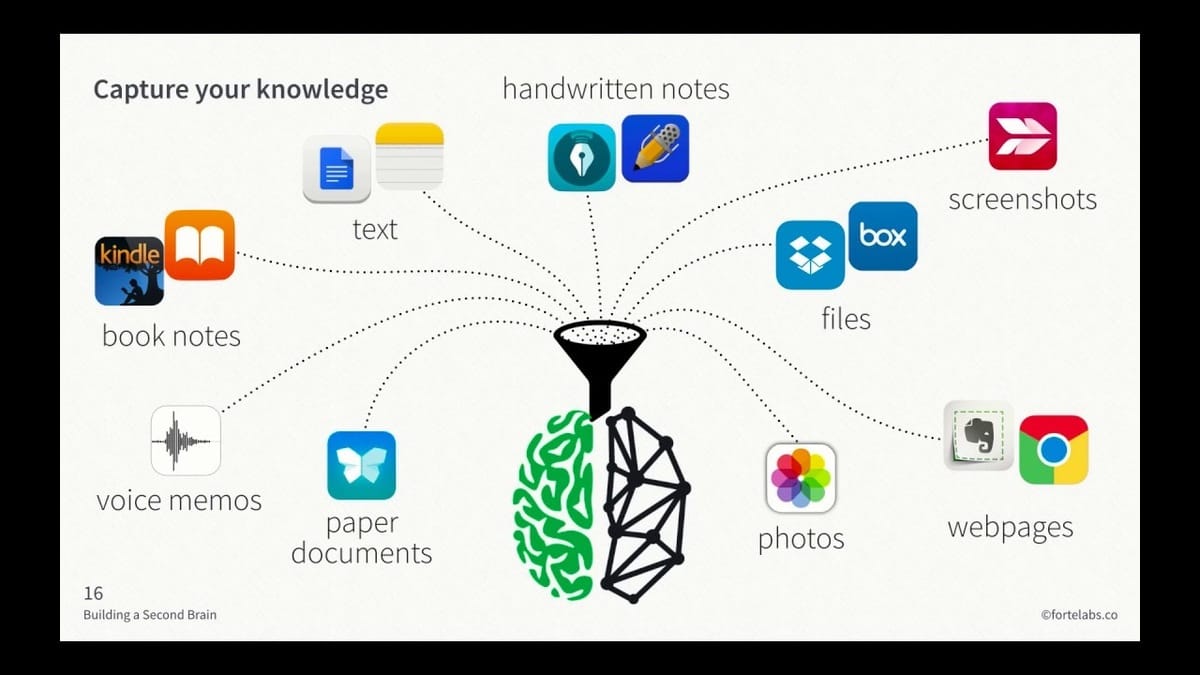
A PKM aims to solve the following problems:
Unorganized information
Forgetting important information
Finding new connections when needed
You can read the summary about the summary here:

But does a second brain (PKM) actually works?
Let’s go on an investigation of each problem:
1. Unorganized information
Textbooks, videos present organized information, but in the wrong order for you.
Because, based on your prior knowledge, we need a different order to learn things.
Through questionings and thinking, you would find the right order.
As a general rule, your questions should promote:
Compare and contrast
Deep thinking and evaluation
Asking questions to find relationships
What are the core principles of organizing information?
Watch this video to learn the right order for learning:
2. Forgetting important information
You forget something if it’s:
Irrelevant
Disconnected
Not important to you
From these three principles, you can make your learning more memorable by:
Using different analogies
Thinking about the different relationships
Aiming to solve an important/personal problem
If you are familiar with my writing, one word probably popped up for you:
Encoding!
Learn more about encoding here:
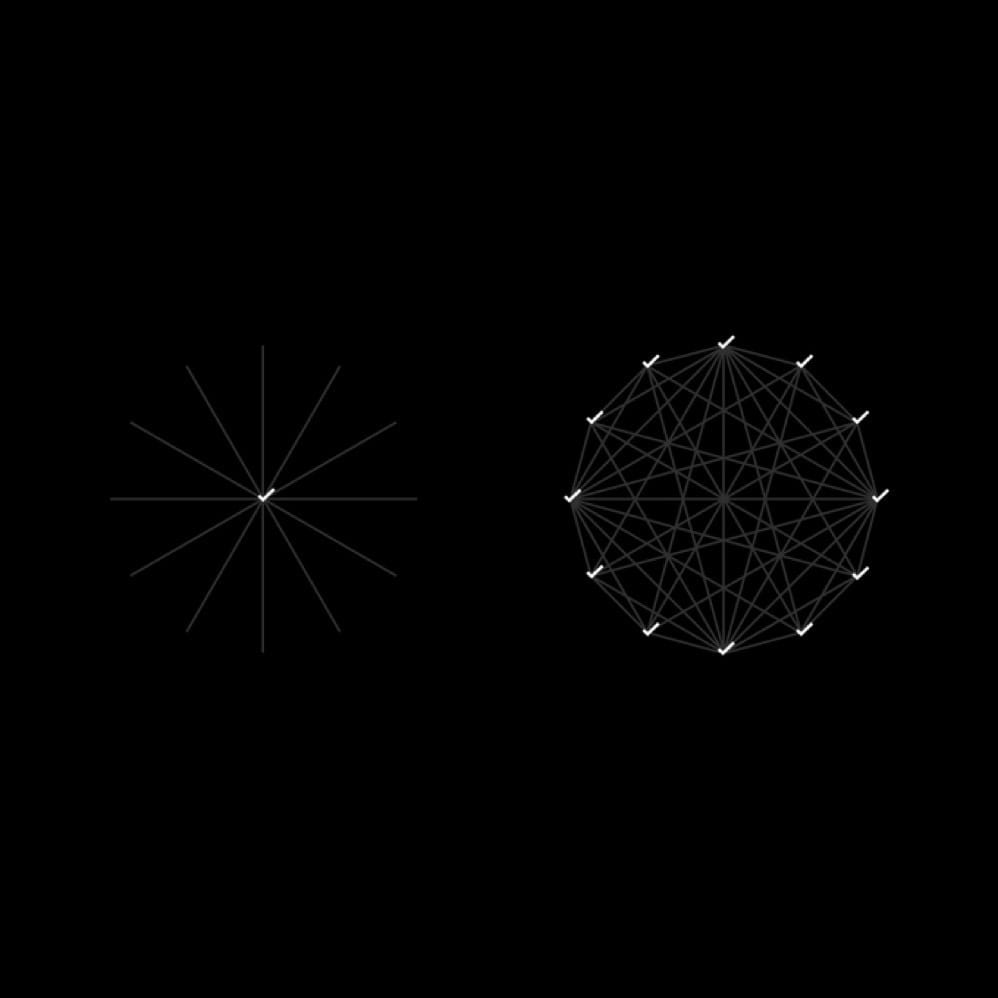
Finding unexpected connections
Connections form when you see the bigger picture but also zoom in to the tiny details.
The process of encoding itself will show you the relationships.
Here’s the process:
Questions → Relationships (new connections form) → Categorization (new connections form)
So, from all these principles, what is the perfect scenario for a PKM?
A great PKM works alongside your brain, not replace it.
It should help you:
Encode information better
Include basic retrieval practice for better memory
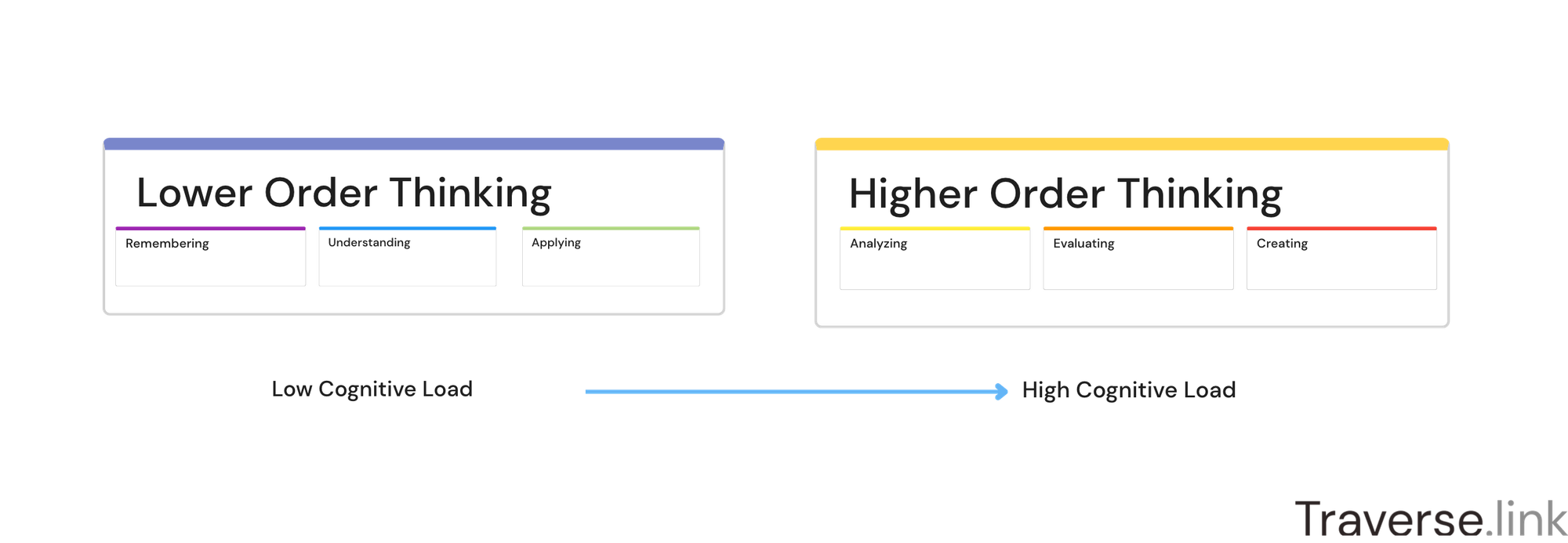
Question what you learned with a higher order of thinking
But in contrast, most PKM out there lacks these areas.
From my understanding, here is how people do it:
Capture idea → Add to inbox
Organize → Place in buckets or categories
Distill → simplify to the essence
Express → Regurgitate or create something new
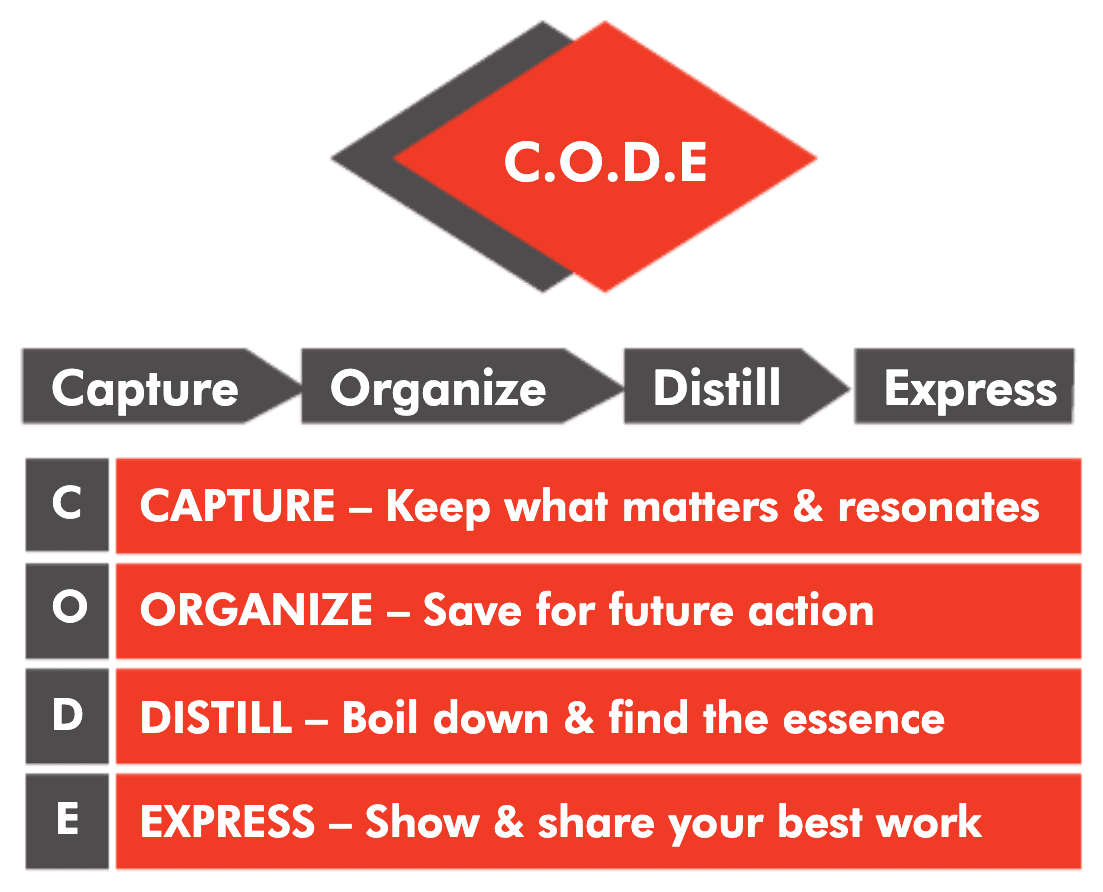
This process leads to potential problems:
Low-quality encoding = fewer meaningful connections = more forgetting
Valley of disappointment → You need lots of notes to find the “unexpected” connections.
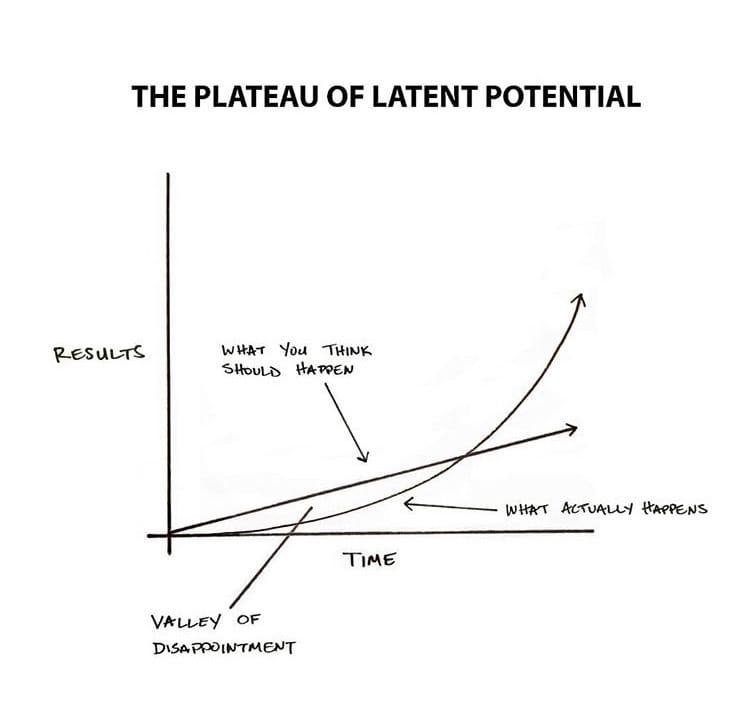
Overreliance on tech = illusion of learning (no actual learning).
FUTURE OF PKM?
The future of PKM will manage your information, but it should never replace the process of learning.
And it’s nearer than you think.
Ahem… it’s AI.
Why do you want to store quotes and citations manually if you can find them through a chatbot?
I know that there are nuances of information that GPT doesn’t have, but soon there won’t be any barriers.
We will all have personalized ChatGPT assistant that memorizes all the important information and preferences.
Like Jarvis:

Ok, maybe not this cool. But you get the point 🤣
When you need anything, just ask.
Here are some companies leading the race:


Here is a blog with some promising PKM projects:

Nevertheless, PKM or AI should never replace your ability to think and do quality encoding.
Final remarks:
Most people who are using a PKM should focus on improving the quality of encoding.
For the details hard to remember, throw it into a flashcard app or use a PKM for that.
CTA:
Do you use a second brain? Reply to me here
Feel free to DM me on Twitter
If you want to learn everything I know about learning science, join the Icanstudy course ($15 OFF your purchase) (affiliated link)
Sorry that this newsletter is later than expected. 🥹
This was really fun to write. I hope you enjoyed reading it.
See you next week, scientist!
Toan