- The Learning Lab
- Posts
- A 60s analogy to learn anything faster


Read time: 3 minutes
Welcome back, 1800 readers, to the Learning Lab.
A newsletter that helps you build your learning systems and become lifelong learners.
🧠 Brain Warmup
(A question, riddle, or conundrum to mull over)
I am taken from a mine, and shut up in a wooden case, from which I am never released, and yet I am used by almost everybody. What am I?

A Tsunami has wiped out your house….
From wherever you are, a tsunami wiped out your house. Luckily, your family is fine. But there is a problem: Your house is gone.
Your parents are still shocked by the events and gave YOU the responsibility to rebuild the house.
You have nothing at hand, but you were also given an unlimited resource for your craziest ideas.
Now what does any of this have to do with learning science?
Think of it this way:
The house is your knowledge web.
The unlimited material you were given are ALL the information you have access to.
The only constraint is your imagination and ability.
Think of it this way:
How would you design the perfect house that fits the PURPOSE your parents asked for?
Now, since your parents are still traumatized by the event so they want something solid, well-placed, and fit for any natural disasters coming.
If we translate this through my learning dictionary, we will get:
“Now since your teachers were so concerned by your recent scores, they want you to build a solid, well-connected, and highly relevant knowledge structure (understanding) that can withstand ANY curveball questions in the next exam. “
That was a mouthful.
The rest of this analogy will explain how to get started.
Designing your foundation.
It’s time to design your dream house.
In learning terms, this means understanding the purpose and the bigger picture of what your “home “would look like.
Answer these questions to give yourself insights about the situation:
Why am I building this — be specific?
What will I use this house/knowledge for?
What are the bigger problems my knowledge will face?
Sourcing the right materials and tools
Now that you understand the big picture idea, let’s find the right material. We have most of the natural resources and the tools available.
→ Natural resources: Information, books, websites, experience…
→ Tools: A piece of paper, our phone, and our brain - an iPad if you can afford it.
→ Labour: Normal construction would require some workers, but you are an attentive person, and you want to do everything by yourself.
PS — you can “hire workers“ after you build the initial backbone, and these people can test your structure and point out the weaknesses - “knowledge gaps“ - more on this in another post.
Laying the foundation.
A well-created design starts with the big picture— not the details.
The purpose is to build a knowledge structure that fits the needs of your parents.
The characteristic of a strong foundation is that it’s well-connected, highly relevant and capable to withstand any curveball situations.
From here, first, we must have an overview of all our materials and briefly map out the possible design methods.
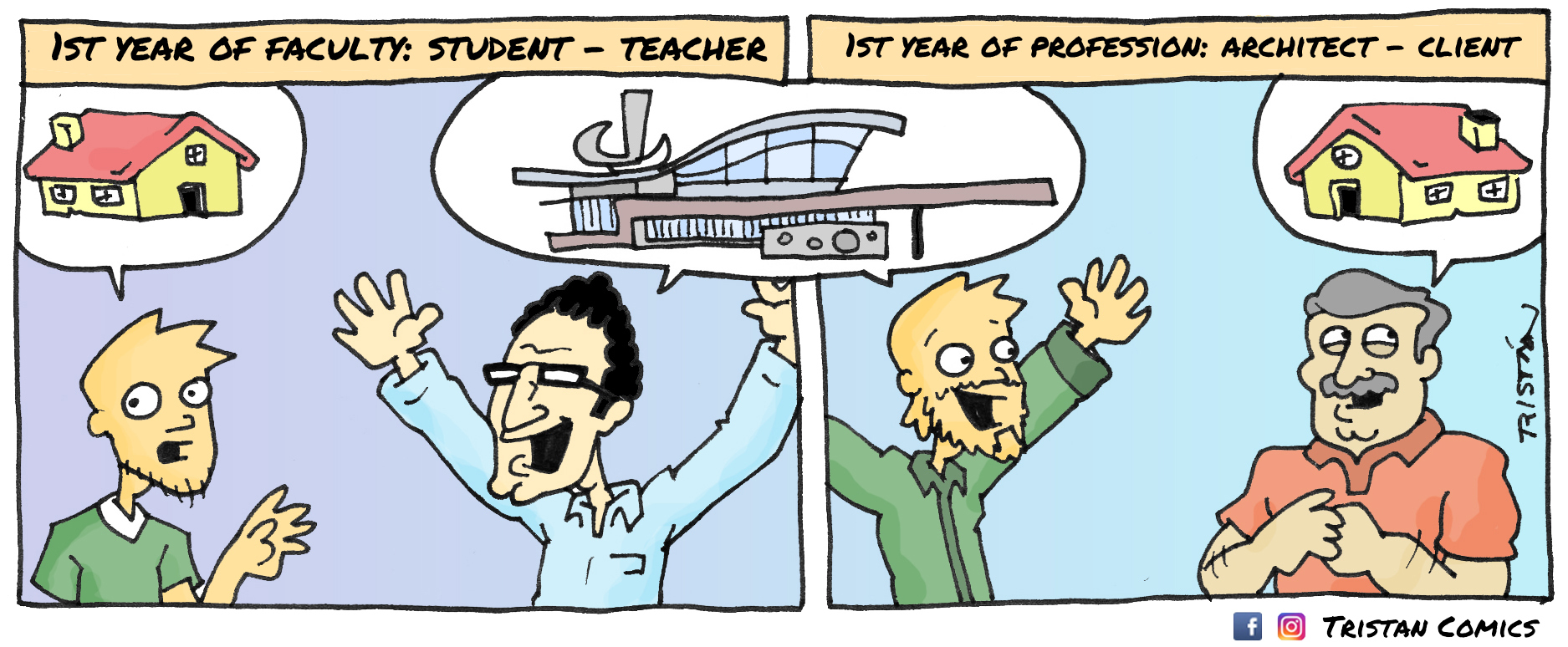
New architects create 1 design for each idea.
Average architects can create roughly 3 variations for each idea.
Great architects can create 4 to 5 variations, iterate, diffuse and always be flexible to edit when receiving feedback.
Through the process you can start to mix and match ideas together, find what you like, and discard your old beliefs.
This process is back and forth and requires a lot of questions, input, and feedback in order to fine-tune the big-picture overview.
Putting up the walls and dividing the rooms.
You know what the overview will look like.
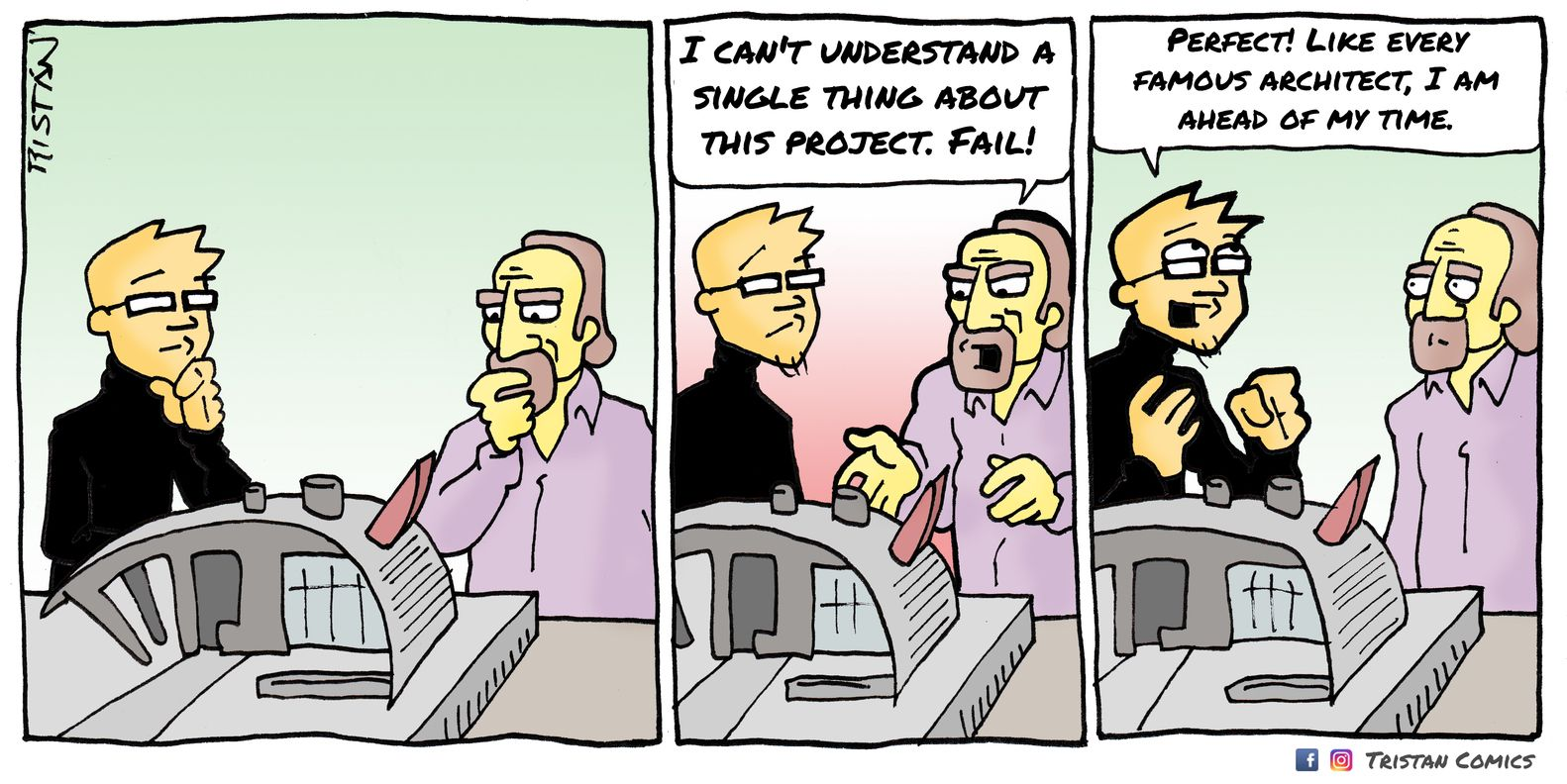
But where will the rooms be, where are the beds, and what are the shelves used for? When designing your interiors, think about how the pieces will interact, but don’t forget the big picture.
Or else you get something like this:
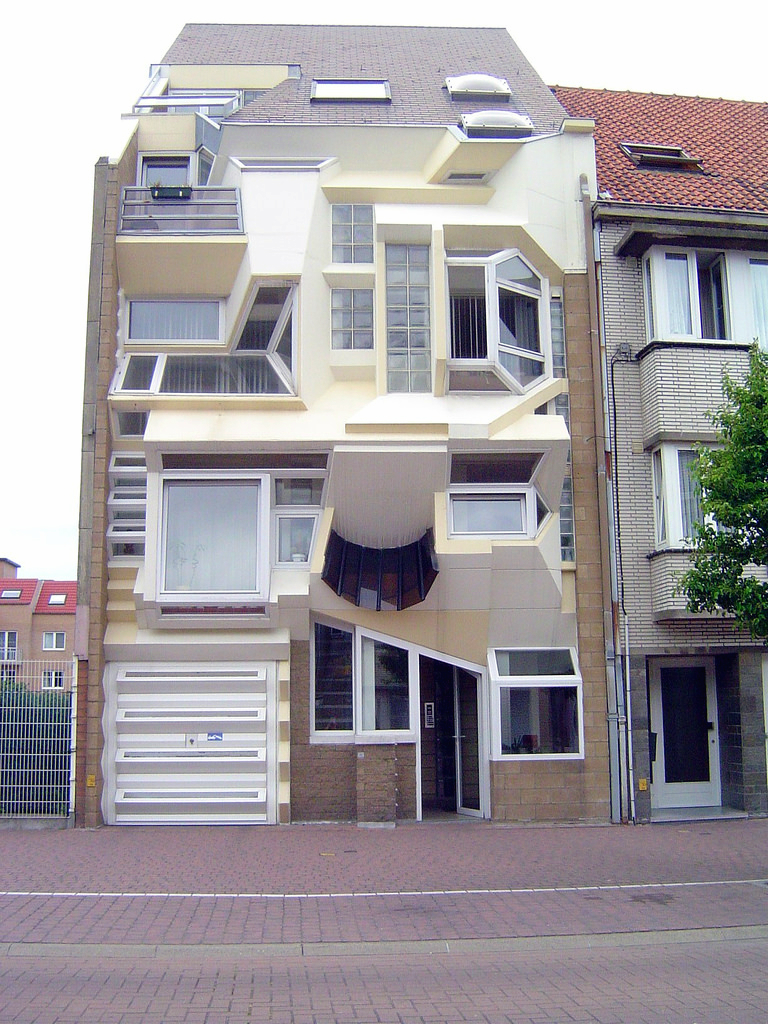
These decisions shape the layout of the house, and the same goes for your knowledge structure. Remember to consider the big picture as you design the interior spaces, ensuring they align with your overall purpose and goals.
Moving your stuff in.
Bring your books, set up the clothes, and bring in the beds.
Think about the last time you had to reorganize an environment, your bed, or your workplace; how did you do it? Would it be easier, to just move random things around, or is it better to think about the big picture first?
Even though some socks may be placed on the wrong shelf, it’s not important in the bigger picture.
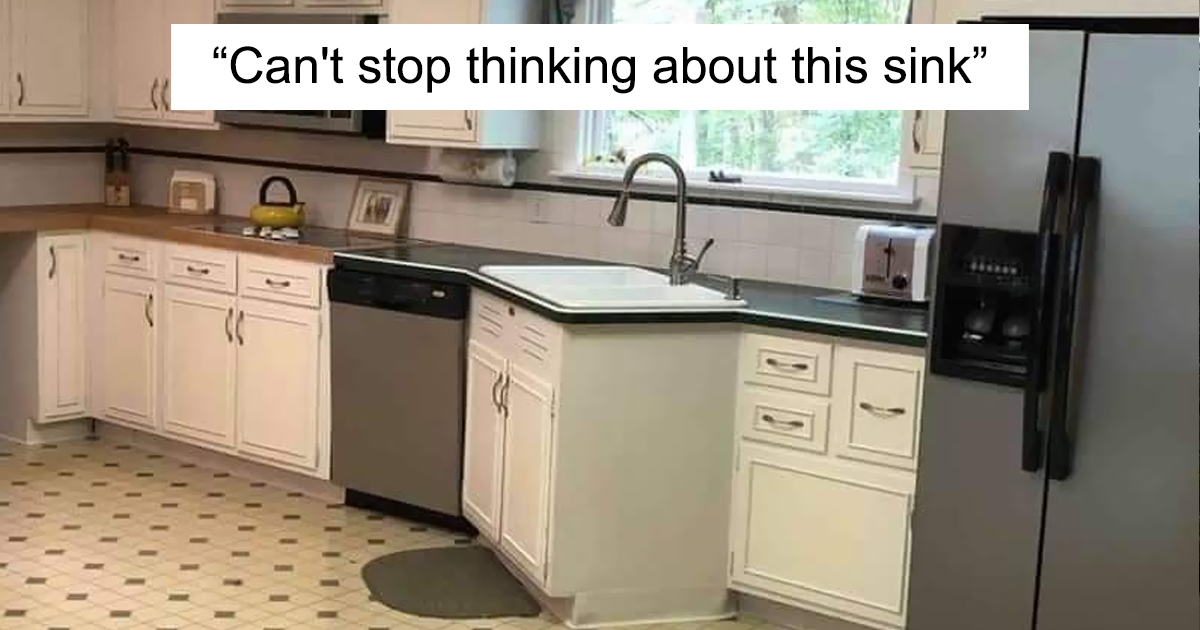
We want to move things in layers of importance.
Example: Getting the beds right is much more important than the socks or the books.
Designing is a personal preference that makes each of our houses unique from the others. And it makes the house YOURS. The last thing you want is to build a house that you don’t like.
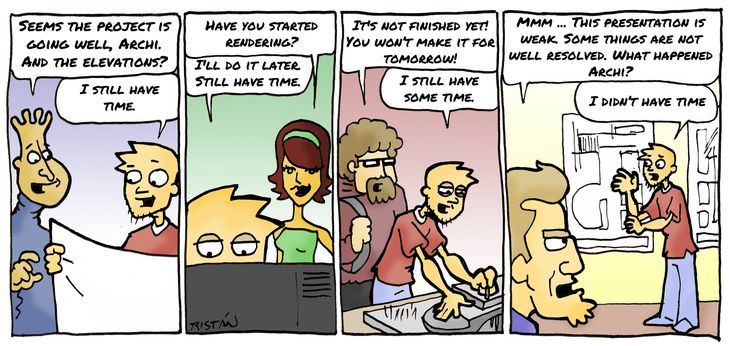
The more stuff you move in, the more things will go wrong, and this is good! You will find the best way to organize through iterations.
Clean up the dust and moving in!
You’re 90% done with the house.
The walls are up and your stuff is in. It’s time to move in and wait for the next tsunami - aka test your knowledge.
Only when you move in will you realize the things you haven’t considered?
Some people consider these iterative micro changes as boring and tedious, but with every iteration, move closer to your DREAM house, which is fit for purpose, organized, and intuitive.
The better your initial designs and building are, the fewer silly mistakes you will need to make, but it’s inevitable.
Side notes: I made this too long again, but I hope this analogy is simple enough for you to understand.
Now that you understand how learning works, if you want an actionable guide on how to build your “house of knowledge,” you check out my free resource here:
P.s. If anyone ask you to explain how learning works, I hope you can use this analogy. If you can, you will definitely be the learning smarty pant in the room.
That’s all for now.
Thank you for reading!
Toan.
🎯 Takeaway
Designing your foundation.
Sourcing the right materials and tools
Laying the foundation.
Moving your stuff in
Clean up the dust and move in!
🧬 Life Update
"It’s great to be writing this thread for you guys. I know the newsletter is so sporadic nowadays, but I hope this issue still gives you some valuable insights into how learning works in the most simplistic form. I am still working on the IcanStudy course by Justin Sung, creating content for my clients, and just finished a Tet (Lunar New Year) celebration and am now ready to get back into the focused deep work mode.

I want to create more regular updates for you guys, but inside me there is an invisible fear that’s stopping me. I don’t know what the fear is, maybe a bit of neuroticism, but hopefully I will find a way through this.
Anyways, I hope you have a great week ahead. We’ll talk again!
⚠️ Disclaimer
I am not a learning coach (yet).
My techniques are mostly based on my experience and the research that I have done. Please be conscious while applying these methods.