- The Learning Lab
- Posts
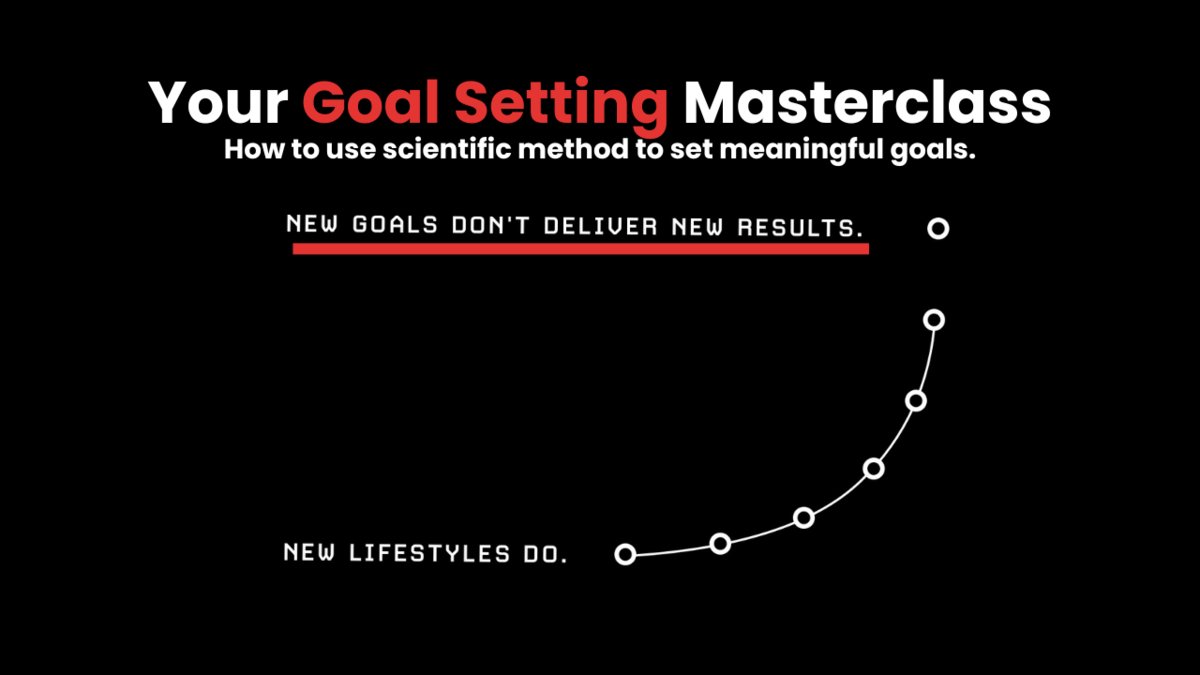
- The Goal Setting Masterclass
The Goal Setting Masterclass
How to use scientific method to set meaningful goals.

Toan Truong
May 06, 2023
Read time: 3 minutes
3 years ago, when I made a presentation to convince my parents to homeschool me, I got my first real shot at goal setting🤨
Waking up at 5AM daily
30 minutes of reading every day
Exercise for 30 minutes every day
The strict schedule and 8+ hours of learning
The results? I failed ALL of them.
At 14, I saw goal settings as a magical pill that solve all my problems. In my head, I just enjoy the dopamine hype from the goals.
But how about everyone else?
Why do over 80% of people fail their new year resolutions on February the 2nd?
After thinking about it, I have come up with some reasons:
Overestimate what they could achieve (lack of experience leads to lack of perspective to make decisions)
Forgot about the goals (without reminders, new behavior is going to decay)
Low accountability (do you have a friend who holds you accountable?)
And I was no different.
Sep 2022, things got so bad that I spent over three days setting goals — all the smallest details, creating plan a Plan B, and writing affirmation, just to find myself in a vicious cycle:
Overthink goals → Overwhelmed → Procrastinated → Overthink again.
I was desperate.
So I went on a quest.
And found some of assumptions that stunted my growth:
Set vague goals and you will achieve them.
Goal setting should be quick and straightforward
There is no difference between surface-level goals and actionable goals.
When I realized that these assumptions, it helped me gain:
More control of my process
Flexibility for change and improvement
More action-oriented and deeper level results
So what is the process, Toan?
My method still sucks but recently I watched an amazing video that embodied some great principles about goal setting:
Here are the 4 steps:
Ask What Problem Are You Solving
Create a Hypothesis (My Inputs "X" will create outputs "Y")
Execute "X”
Evaluate if they created outputs "Y”
Example:
The surface level problem:
You are a student and you want to get better grades on your exam.
Your big-picture goal is NOT to get better grades but to improve your learning process overall.
The deeper level problem:
You feel demotivated and have been procrastinating your studying.
You now created 3 hypotheses for the problem
If I do affirmations before my studying session, I will improve my self-image and increase my self-discipline.
If I add 15-minute breaks, I can better recharge my energy, and help me study longer.
If I just walk to my desk instead of the couch when I get home, I am more likely to start learning.
Now you execute the hypothesis and get some results (hypothetical*)
If you do affirmation, you still procrastinate.
But if you do take more 15-minute breaks, then your can study for longer.
When you walk to your desk instead of the couch when you get home, you get more things done.
Surprisingly, if you walk to your desk and just remind your brain to do 1 problem instead of 50, then you found a significant increase in productivity.
P.S.: If you do have problems with procrastination, here’s the best video for you:
Now evaluate your process.
Your experience becomes your data for reflection and analysis.
Ask yourself these questions:
Did the hypothesis lead to better results? Why or why not?
What unexpected insights did you learn from the event?
What were your limiting insights, beliefs, or external factors that may have affected you?
What new goals or hypotheses can you create to achieve the bigger picture?
The input may happen, but it doesn’t mean the output would change.
Now set your new goals and repeat the process.
Important notes:
Prioritize your goals based on leverage.
Once you have an entire list of goals from your hypotheses, ask yourself this question:
“What are the most important goals that would put me in a better position?“
From there, you will identify the right order of importance for your goals.
Final reminder:
Your goals are built on the bigger picture of why you are doing something, and based on the hypotheses you want to test.
Spend some time to think about your goals for the next quarter.
Take action and evaluate your progress.
Disclaimer:
I am not a learning coach (yet 😉 ).
I don’t have the perfect system
I haven’t experienced it with students
I haven’t dived into the research paper and theories
My learning techniques are mostly based on my experience and the *limited research I have done.
Please consult with a professional learning coach for better information
CTA:
Reply back to me: “What is your goal for next week?”
Feel free to DM me on Twitter
If you want to learn everything I know about learning science, join the Icanstudy course ($15 off your purchase) (affiliated link)
You’ve made it to the end!
See you next week!
Toan