- The Learning Lab
- Posts
- Why the Feynman technique won’t help you learn faster:
Why the Feynman technique won’t help you learn faster:
Your holistic overview of the Feynman technique

Toan Truong
April 22, 2023

Read time: 7 minutes
Welcome back to the lab!
This week, I will address one of the most popular learning method on the internet.
The Feynman Technique.
It seems like every week, some influencer will make a post about the Feynman Technique.
But most people never talk about the science and limitation of this method, so that’s exactly what I will cover today:
What is the Feynman Technique?
Why is it popular?
The pros and cons?
Feynman Technique 2.0?
Let’s begin
Overview of the learning process
The learning process has two parts:
Encoding → Knowledge going into your head
Retrieval → Recalling the knowledge to fight the forgetting curve and finding knowledge gaps

How it works - Icanstudy
If you simply look at this graph, where do you think the Feynman Technique fits?
In most case, the Feynman technique only help with the retrieval process.
But let’s take a step back…
What is the Feynman Technique?
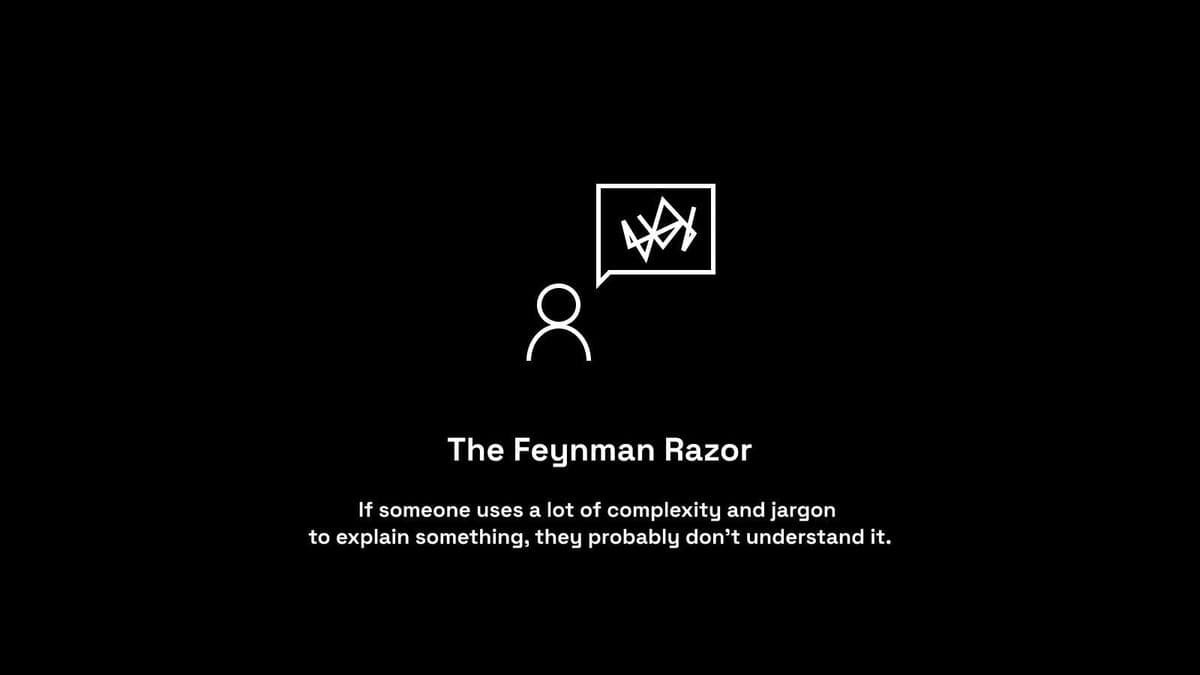
The Feynman technique is a learning technique developed by Nobel Prize Winner Richard Feynman.
He observed that complexity and jargon are often used to mask a lack of deep understanding.
Therefore if someone can’t explain something in simple term, they don’t understand it.
The technique has four steps:
Set the Stage (learn something)
ELI5 (Explain It To Me Like I’m 5) (remove all jargon and complexity)
Assess & Study (identify knowledge gaps )
Organize, Convey & Review (re-encode and repeat)
You can read more about it here:

Why is it so popular?
Here are 3 reasons:
1. Relatively straight forward to apply
The Feynman technique presented a technique that was easy to use.
No equipment needed
No prior knowledge needed
Straight forward instructions and intention
That’s why some people who never used this technique will find that initial improvement in their retention… and go crazy about it.
2. Favored by the algorithm. Good marketing angles.
A post about the Feynman technique is 100% more likely to go viral compare to post about:
Cognitive load tolerance
Kolb Experiential cycles
Interleaving method
Plus, marketers can literally approach from the angle of:
Nobel Prize Winning Physicist
Or just leverage the fame of Richard Feynman
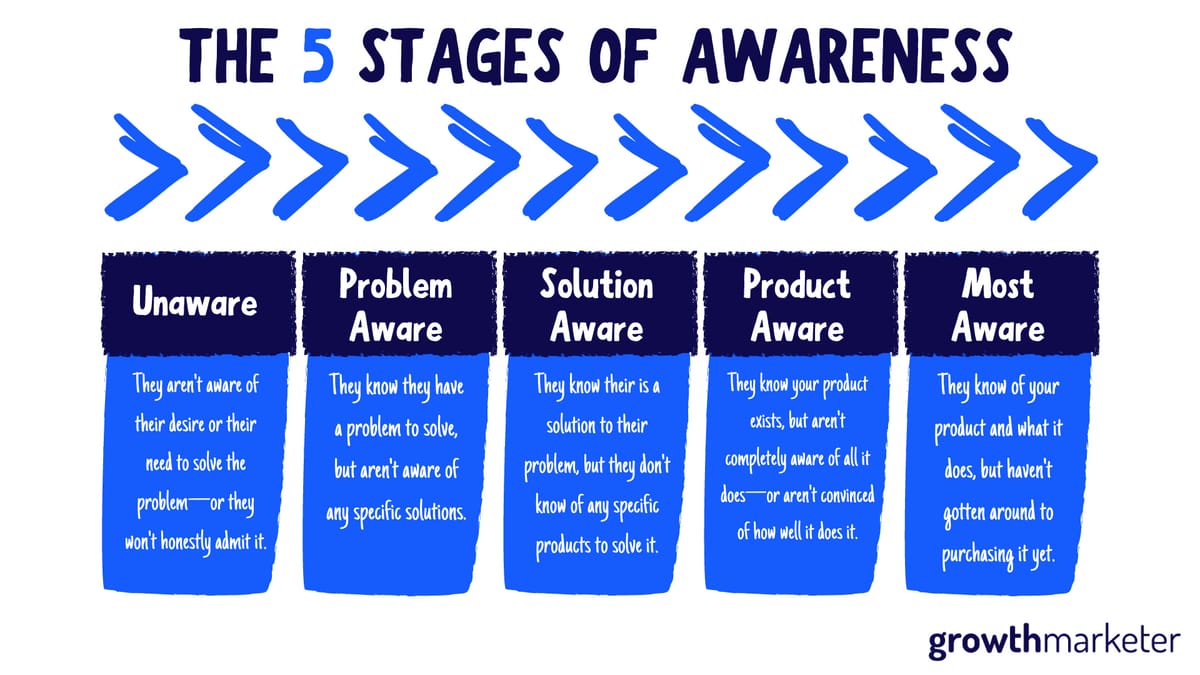
The technique has high awareness and people are much more likely to engage with it.
The Feynman technique is probably in stage 4-5 in the chart below 👇️
3. It partially *works
The Feynman technique actually helps you with reorganizing the information in your help.
And when you think about how different concepts relate together, and what structure it creates, then you remember what you learn.
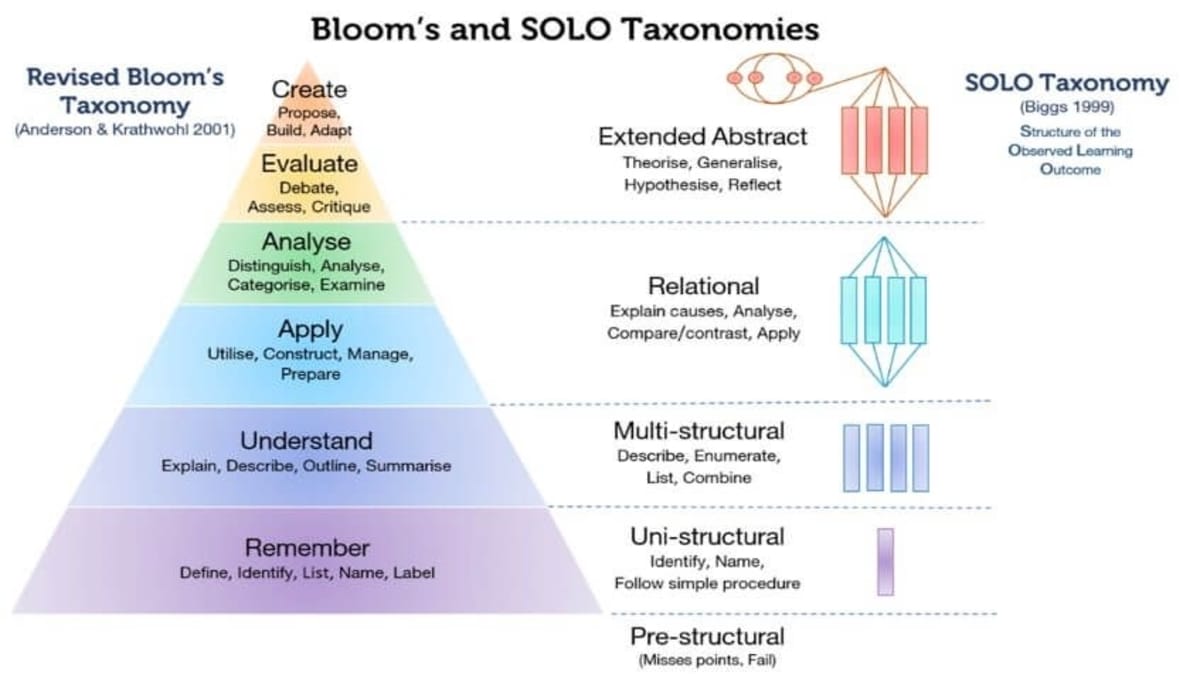
But before I can tell you the positive and negative, you need to understand the principles first:
You may skip this part if you only want the positive and negative of the method.
The principles behind retrieval practice:
Full recall vs partial recall
If you are doing your “active recall“ and space repetition, you need to recall everything you know.
Especially the hard bits.
The point of spaced repetition is to find what you forgot, not what you remembered.
So push yourself to the limit and later on re-encode what you remembered.
Cue recall vs memory recall
Don’t give yourself cues for your session. If you read your notes before you do your active recall, you failed.
Only use the learning objectives to guide the direction of your session.
Completely from memory, recall what you can remember.
Rule of thumb: Techniques that requires you to:
Compare and contrast different concepts together
Make you feel uncomfortable
are most effective.
What to do after the retrieval?
Taken notes of what you forgot:
You can simply circle all the place that you:
Can’t remember
Slightly struggled (even if you got it right, you might just get lucky 😉 )
Write what need to re-encode somewhere.
Re-encode it afterward:
Just think of your knowledge as a spiderweb. The more interconnected everything is, the better.
When you found something to re-encode , ask yourself:
Why is this important?
How does this relate to something I know?
How will I apply this?
Your brain is a connection machine.
How often should I do my spaced repetition?
The time variation isn’t as important as the quality of the session.
Here’s a simple interval for you to try:
1 day ~ Review everything you learned that day
1 week ~ Review everything you learned that week
1 month ~Review everything you learned that month
If you miss one session, then the next one is just going to be SO much harder.
The bright side:
Like mentioned above, this method is easy to apply and their is no requirement to get started.
Great for higher order retrieval:
The technique forces you to:
Reorganize information
Look for multiple relationships
Think about things with first principles
The dark side:
Time-consuming for full retrieval
This techniques help you connect different concepts together and see the big picture, but you will miss the details.
You must know that there are 3 types of information…
Declarative → Facts, dates, formulas
Procedural → How to, step-by-step
Conditional → When and why to do something
Wrong focus:
The Feynman technique is good for the retrieval process but it doesn’t help with encoding.
How can you remember something you have never learned properly.
Take a read at this newsletter to learn about how to use Bloom Taxonomy for encoding:

Feynman Technique 2.0
Create a tier system
Your goal shouldn’t be only to explain something to a 5 y.o
Make it progressively difficult for yourself:
Explain to a middle schooler
Explain to a high schooler
Explain to an industry expert
Each level of difficulty will review your knowledge gap and make you reconsider your knowledge
Add time constraints
Depending on how long you have, add a deadline and constraint for yourself to focus.
A mental model I learned to stop procrastination:
If something is both important and urgent, you won’t procrastinate.
Experiment with different time intervals and personalize it depending on you course load.
Use other lower order retrieval practices.
If done right, the Feynman technique will help you a lot with higher level thinking
But to subsidize with that, use other techniques as well:
Brain dump
Practice questions
Peer group discussions
Always prioritize higher order techniques, when given the opportunity.
Disclaimer:
I am not a learning coach.
I don’t have the perfect system
I haven’t experienced it with students
I haven’t dived into the research paper and theories
My learning techniques are mostly based on my experience and the *limited research that I have done.
Please consult with a professional learning coach at Icanstudy for better information
CTA:
Reply to me with any question that you have or any feedback you have for me.
Feel free to connect with me on Twitter and shoot me a DM.
If you want to learn everything I know about learning science, join the Icanstudy course ($15OFF your purchase) (affiliated link)
You’ve made it to the end!
See you next week!
Toan