- The Learning Lab
- Posts
- 5 principles to pass your exams with ease.
5 principles to pass your exams with ease.
Exams are coming. Are you ready?

Toan Truong
October 20, 2023

Read time: 3 minutes
Welcome back, 1330 readers, to the Learning Lab.
A newsletter that helps you build your learning systems and become lifelong learners
🧠 Brain Warmup
(A question, riddle, or conundrum to mull over)
Q: What 5-letter word typed in all capital letters can be read the same upside down?
Studying is surprisingly complicated; if someone tries to convince you otherwise, they might be on Mount Stupid.
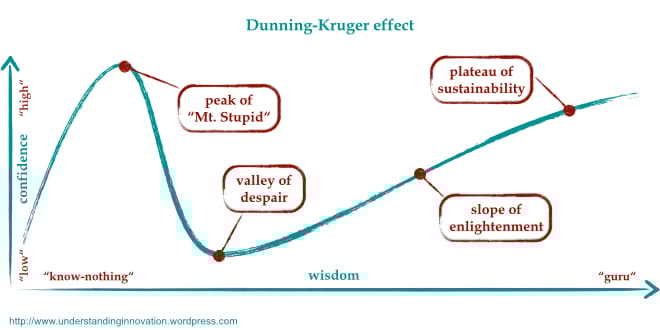
While it’s complicated, there are a few undeniable principles to help you study smarter, not harder.
Here are the 80/20 most important 5 principles:
Chunking
Order control
Non-linear notes
Bloom taxonomy
Inquiry-based Learning
This newsletter will briefly explain each and link to a resource to explore.
Sounds good?
Let’s go.
------------------------------------
1. Chunking:
Think of your brain as a warehouse and knowledge as inventory.
When you learn something, you can either:
Immediately throw everything in randomly.
Or spend time organizing it.
Which would be easier for you to find your stuff?
Exactly. The brain works the same way.
Our brain loves to categorize information, and the most effective method is chunking by importance.
When you learn something, ask "why this is important" and chunk accordingly.
Sure it does take more time and effort to identify and organize your stuff, but I promise this will pay off.

------------------------------------
2. Order control:
This is your ability to manage when you learn something.
The way something is laid out in your textbook is NEVER the right way for your brain to understand it.
It very rarely does.
Instead, use your curiosity to drive the exploration.
------------------------------------
3. Non-linear notes:
Use diagrams, mind maps, or other visual representations to capture and organize information.
I spent like 9 hours thinking and iterating on this mindmap, just for my sister to say that it looks like a cow.
FYI: this is the 80/20 of the book Sapiens.
— Toan Truong (@LearningToan)
12:40 PM • Oct 17, 2023
This makes it much easier to represent relationships and delegate some cognitive loads so you don’t feel overwhelmed.
This is The Note-Taking Masterclass!
19 minutes of evidence-based advice on how to write LESS notes, but remember MORE.
This is easily worth over $1000.
Thank you @DrJustinSung and the ICanStudy team for making this available to the public.
youtube.com/watch?v=V6MXP0…twitter.com/i/web/status/1…
— Toan Truong (@LearningToan)
1:45 PM • Sep 28, 2023
------------------------------------
4. Bloom Taxonomy:
If you focus on analyzing and evaluating, you automatically remember the concept.
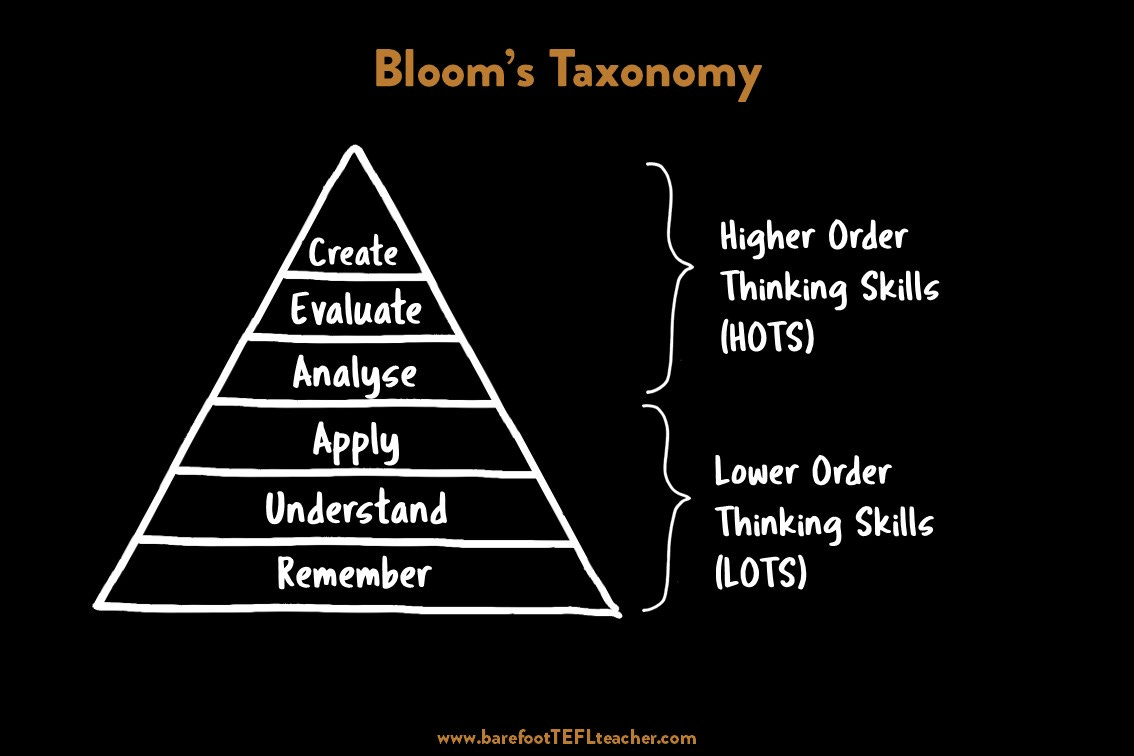
You need to remember and understand some information to know how to about it, but usually, it’s not a lot.
I like to ask a question and read through my textbook; if I can’t find the answer, I go to Google, and if not, I just go to AI.
All of these are sources of information, and it’s much less important than how you process the information.
You can read more here.
------------------------------------
5. Inquiry-Based Learning:
From the four principles mentioned above, inquiry-based learning is the glue that sticks everything together.
I use my questions to create curiosity into what I need to know, then search for the info.
Since you learned about the Bloom Taxonomy, what are the best questions to use?
The higher-order questions engage in higher-order thinking.
Here are the 3 questions:
Why is it important?
How is X related to Y?
What problem am I solving?
To learn more about these questions, read this thread here:
In the last 6 months, I have been obsessed with metacognition ~ AKA learning how to learn
After 127+ hours of practicing and improving my techniques
I found 3 simple questions that helped me learn basically anything faster, and easier:
— Toan Truong (@LearningToan)
1:45 PM • Jul 11, 2023
------------------------------------
🎯Putting it all together:
1. Scan through your materials for what you think is most important.
2. Ask the 3 questions to build the basic chunking.
3. Engage in higher-order thinking to prioritize evaluating and analyzing instead of memorization.
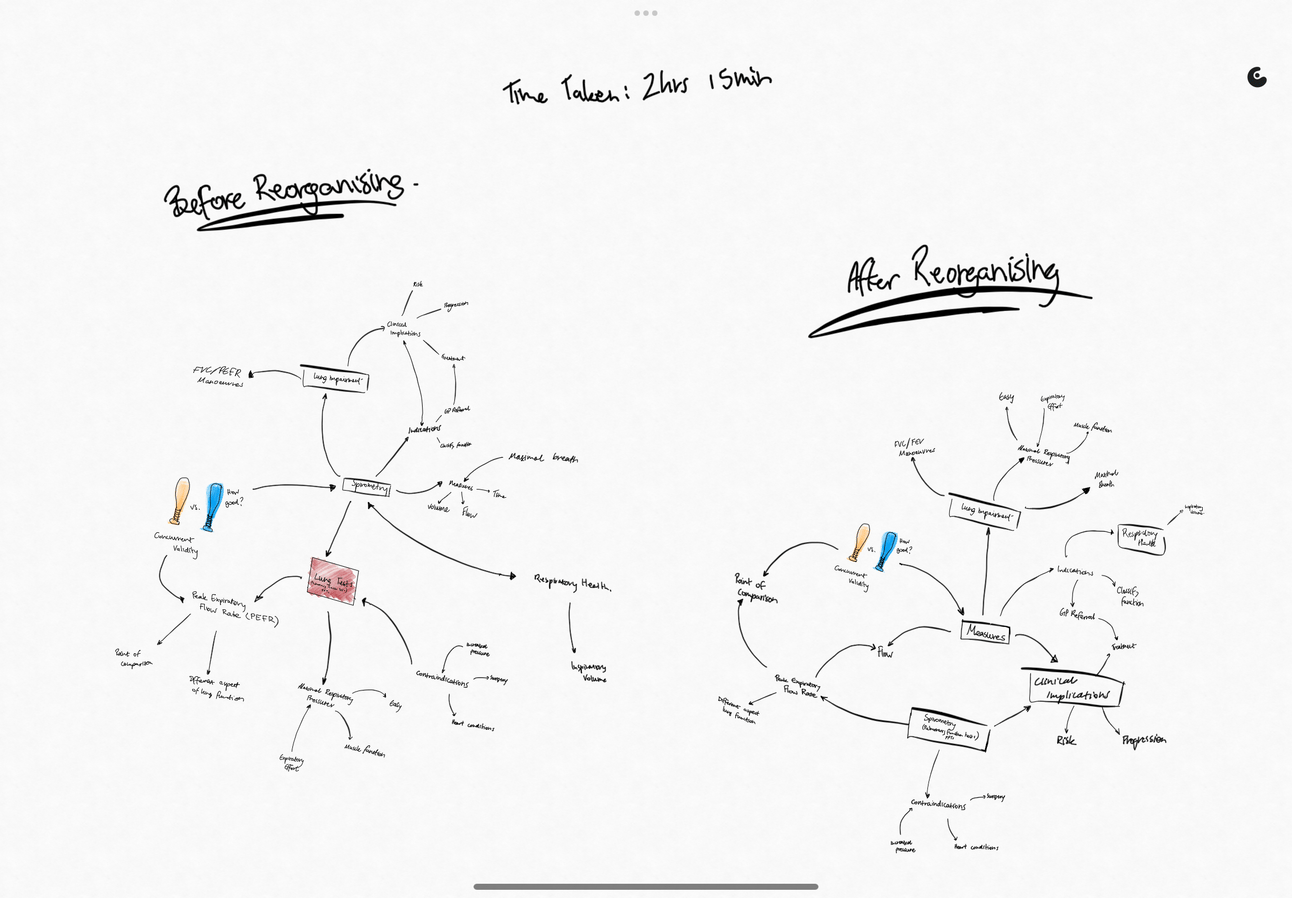
4. Represent your findings with non-linear notes (mindmaps)
------------------------------------
WARNING
This is a watered-down version of the entire learning system.
But it’s good enough for you to get some noticeable results.
Give this a shot and tell me how it goes.
Enjoy.
p.s. If you need more help preparing for exams, watch this video here:
😁 Life Update
Most interesting thing about last 4 weeks:
I have been quiet for the last 4 weeks. I barely tweeted and haven’t posted a single newsletter. And the reason why? I don’t know.
My chapter of being a student is coming to a temporary end as I finish my bachelor’s at SNHU. I wanted to take a moment to reflect on my next decisions in life and how I can move forward with everything. I am conflicted on how I want to continue this newsletter and even my personal account.
Deep down, I understand that I will serve students and educators for a very long time, but right now, I need to identify the best way to allocate my resources. Furthermore, I have been kind of distracted and procrastinated on some of my work, and this is massively disappointing. I know there is more inside, but I need to find a way to reach that version of Toan.
Other than that, ghostwriting has been taking up a lot of my time, and with my personality, once I make a promise to someone, I will run through brick walls to deliver on the promise.
My plan for next week:
After Sunday, I am no longer an undergrad student. I will officially become a digital creator/ educator. But mentally not much has changed. I want to publish 1 or 2 good lengthy posts on my Twitter account. This should either be how I graduated from university at 18, or maybe my entire story from the point when I was homeschooled to today.
But more importantly, I want to reach Basecamp in the IcanStudy course. I have been in the course for almost 10 months, and I am not happy with my progress right now. Other than that, I would like to hire a personal trainer to improve my physical health and train 2 interns to help me with my day-to-day operations.
Closing notes:
I can’t promise you what and how the next issue of this newsletter will look like, but I promise that whatever I do, I will continue to serve the learners, educators, and parents who believe in my vision.
Thank you all.
Toan.
⚠️ Disclaimer
I am not a learning coach yet.
My techniques are mostly based on my experience and the research that I have done.
So please be conscious while applying these methods.
Thank you.