- The Learning Lab
- Posts
- 3 tips to remember + understand more from books
3 tips to remember + understand more from books
A smarter way to read non-fiction.

Toan Truong
September 06, 2023

Read time: 5 minutes
Welcome back, 1282 readers, to the Learning Lab.
A weekly newsletter that helps you build your learning systems and become lifelong learners
Have you ever finished reading a book only to realize that you don’t recall anything?
That’s exactly the problem I was facing.
And with the context of learning science that I know now, I want to share 3 tips that will help you remember more of what you read.
p.s. This is for non-fiction only.
If you are a fiction fan, this may help:
Now let’s begin!
Tip 1: Choose Books Based on Relevant Problems
When knowledge is relevant, it instantly becomes more memorable.
So now list out all the problems you are facing, then prioritize the most important one that you need to solve.
From here, search for the top 3–5 books in that category, then note them down. (Syntonic reading)
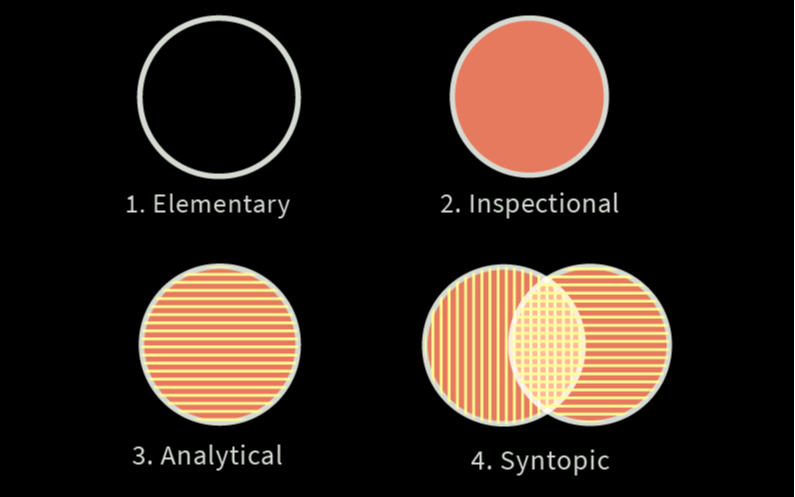
Now, before buying the book, try it first.
Use services like Shortform to get a summary or just a preview of the book.
If there are 2-3 interesting ideas in the book, then you can buy it.
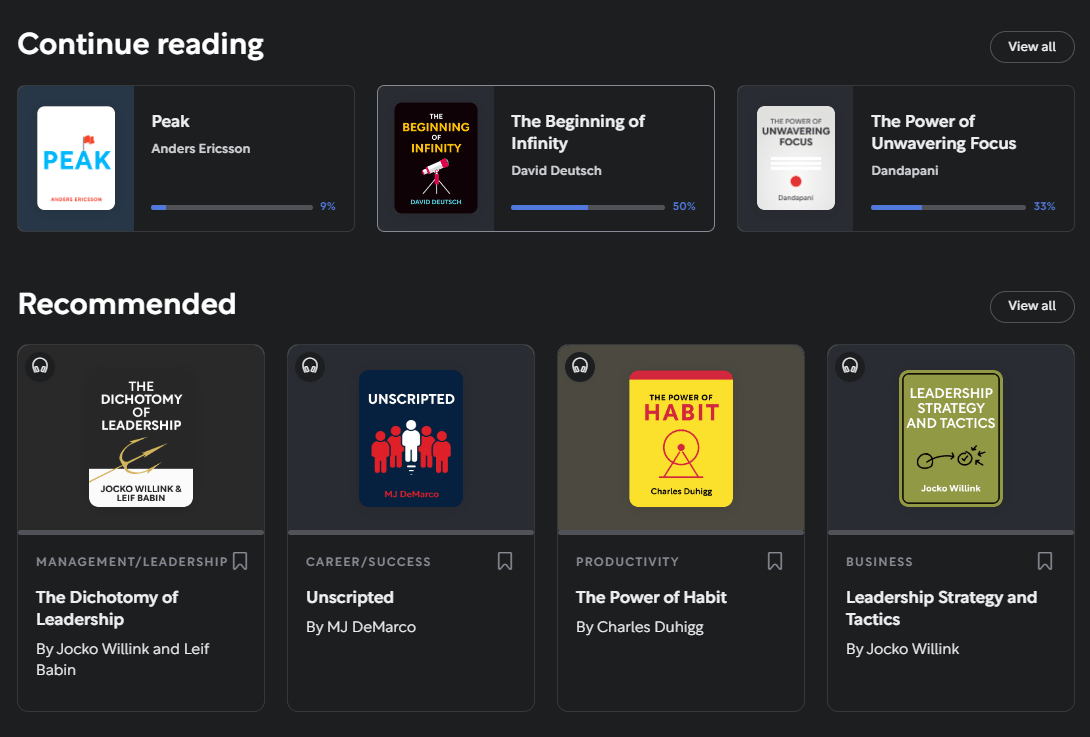
This helps you:
Start with the intention of solving problems
Lower the risk of buying bad books
Save money and time reading
Get a big picture of the book
I want you to focus on point #4.
Here’s why:
Tip 2: Skim and Build a Big Picture Understanding
Before delving into the details, it can be helpful to gain a big-picture overview of what you are about to read.
Here’s how:
Go back to Shortform summary
List down all keywords or key ideas you think might be important.
Ask open-ended questions to find the relationships between ideas
Critically think and evaluate the answers you found
Draw it out to form a mindmap.
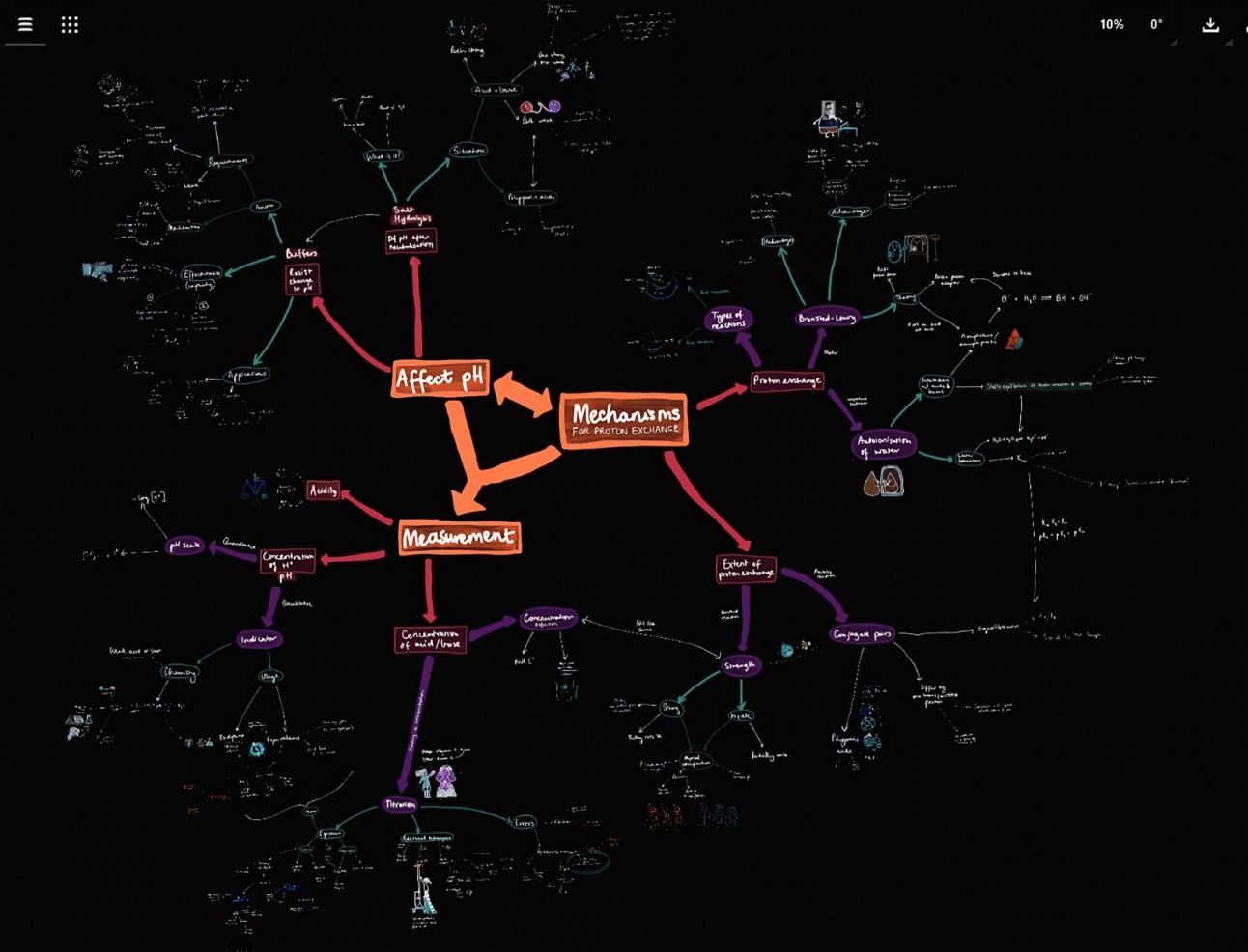
As an analogy:
Your brain is just like a warehouse.
If you throw everything in at once, the chance of you losing stuff and forgetting where it was is significantly higher than that of the person who took the time to organize each item.
Your mindmap becomes the foundation for your reading.
Everything will be built on that backbone.
Tip 3: Jump Around to Relevant Sections
You don’t have to read it cover to cover.
Instead, jump around to parts that are most relevant to you or that you are curious about.
Here’s how:
After you create the mindmap, you will naturally be curious about the topic.
So now list out all the questions you have (open-ended questions are better)
Then search the book for the answer (use CTRL + F on e-books to save time)
Think about the answer and reflect on it on your mind map.
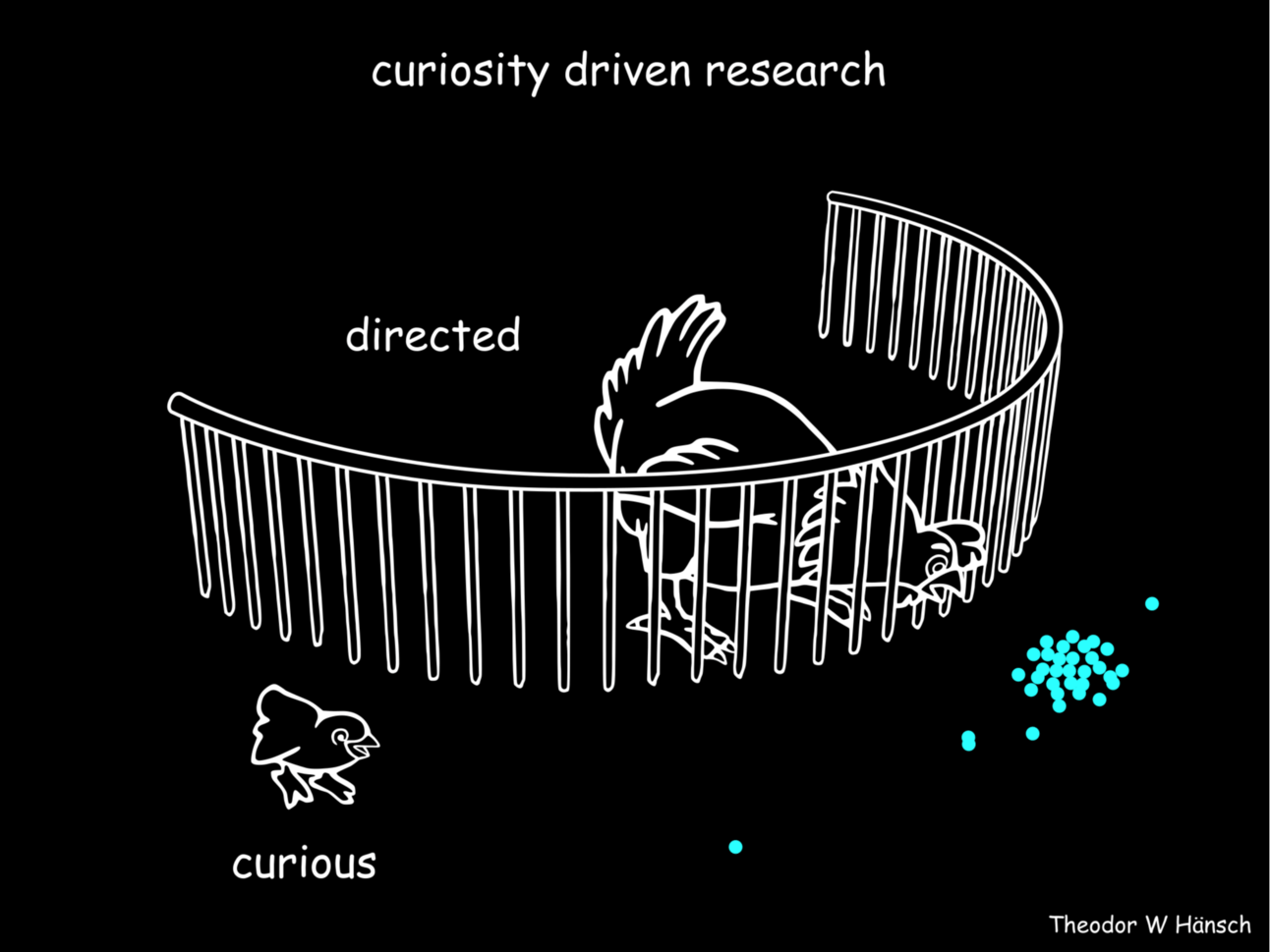
This way, your reading is ALWAYS built on curiosity and relevance.
Which will increase the level of retention you have on the topic.
If you want more reading tips, read my old thread here:
The single most powerful "skill" you can learn:
Reading effectively
But school charged us $50k and taught us the worst possible way to read
Here are 7 tips to help you read faster, smarter, deeper:
=Thread=
— Toan Truong (@LearningToan)
3:46 PM • Mar 21, 2023
Conclusion
If you walk away with one thing, let it be this one word.
Relevancy.
Your brain is selfish, and if something doesn’t seem important, it will naturally forget it (our brains are actually really good at forgetting things).
So whatever you learned, force relevancy onto it.
🎯 Takeaway
Choose books based on relevant problems
Skim and build a big-picture understanding
Jump around to relevant sections
🧠 Brain Puzzler
(A question, riddle, or conundrum to mull over.)
A sundial has the fewest moving parts of any timepiece. Which has the most?
Answer for the latest puzzle (20/8/2023):
Question: Guess the next three letters in the series GTNTL.
No one was able to solve the last puzzle.
The answer was GTNTLITS
Guess the next three letters in the series 😉
😁 Life Update
The most interesting thing about last week
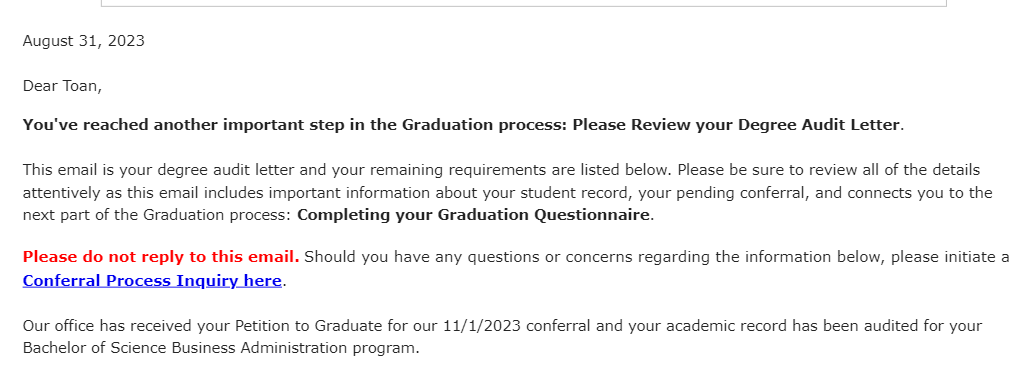
I can’t believe another week has flown by. Nothing much happened this week, and I am still working on multiple projects right now. But I am starting my last term at SNHU, so I am projecting to graduate this October.
Other than that, I have reached some breakthroughs with my ghostwriting, and I am getting some results for my clients.
My Twitter account is kind of in the mud right now because I am not spending enough time and effort on it.
But last week I was able to put out one piece of content that I am quite proud of, and it’s this one:
If you struggle with STUDYING, then you need to know these concepts:
Chunking
Order control
Non-linear notes
Bloom taxonomy
Higher-order thinking
Inquiry-based LearningI can't explain everything in this tweet.
But here's the 80/20 to help you study smarter, not harder:… twitter.com/i/web/status/1…
— Toan Truong (@LearningToan)
2:39 PM • Aug 23, 2023
My plan for the upcoming week
Next week? Hmm, I want to spend time completing all my studying for my semester. I will be cramming 8 weeks of content into one week.
This will save me time in the long run and hopefully provide a good opportunity for me to practice my learning techniques.
Any other interesting facts?
Hmm, I have been jumping on more calls with people, and one of the best calls I had was with my new friend Ayden. He has also accelerated his education and is now starting an agency to help people achieve peak mental performance.
In 2021, I went through the worst mentally toxic event of my life.
711 days later, I'm leading an international business attracting 7 to 11 fig companies.
This is how I went from mentally dead to founder of a self-mastery agency:
— Ayden Hanian (@ohhiayden)
1:01 PM • Aug 15, 2023
Give him a follow here
And 2nd was another awesome call with Smoul; she taught me a lot about growing an audience on Medium, self-improvement, and writing.
Give her a follow on Twitter here.
Here’s her best piece of writing:
That’s all for now.
Sorry for posting this later than normal.
I did procrastinate writing it. But after 1h30 and 2 Focusmate session, here we are.
I hope you have a wonderful week.
I’ll see you again next week.
⚠️ Disclaimer
I am not a learning coach yet.
My techniques are mostly based on my experience and the research that I have done.
So please be conscious while applying these methods.